
Understanding the Mindset of High-Stakes Gamblers
A successful high-stakes gambler possesses a unique mindset that sets them apart from casual players. This mindset is characterized by a combination of confidence, discipline, and risk management. They approach gambling as a strategic endeavor rather than a mere pastime. This mental framework enables them to make calculated decisions based on probabilities rather than emotional impulses. For instance, those who engage in fast withdrawal casinos often develop sharper instincts for assessing risks and rewards. Rather than being swayed by wins or losses, they maintain a level head that allows them to assess the situation objectively. This mental clarity helps them stay focused, especially during high-pressure moments that can arise in the heat of the game.
The psychological aspect of gambling plays a critical role in a high-stakes gambler’s success. They often engage in self-reflection and develop a deep understanding of their own behaviors and thought patterns. This ongoing self-assessment helps them recognize when they may be acting irrationally or when they need to take a step back. Many successful gamblers also use visualization techniques to imagine different scenarios, helping them to prepare mentally for both winning and losing outcomes. This practice not only boosts their confidence but also reduces anxiety, allowing them to perform consistently under pressure.
Moreover, high-stakes gamblers are adept at managing their emotions. They know how to control their reactions regardless of the game’s circumstances, which enables them to make decisions based on logic rather than feelings. This emotional stability is crucial when faced with the inherent volatility of high-stakes gambling, where fortunes can swing drastically in a matter of moments. By cultivating a strong psychological foundation, high-stakes gamblers position themselves for enduring success, often developing a reputation for being composed and calculated players who can handle the ups and downs of gambling with grace.
The Importance of Strategy and Research
High-stakes gamblers understand that knowledge is power. They spend considerable time researching games, odds, and various betting strategies, ensuring that they are well-informed before placing any bets. This preparation includes familiarizing themselves with the rules of the game, comprehending how different betting systems work, and identifying the house edges. Successful gamblers view themselves as lifelong learners, frequently analyzing past gaming sessions to identify areas for improvement. This commitment to education allows them to adapt to changing game dynamics and enhance their overall performance.
Additionally, many high-stakes players develop specific strategies tailored to their strengths and the types of games they prefer. For example, a poker player might focus on learning advanced bluffing techniques and reading opponents, while a high-stakes blackjack player might utilize card counting. This specialized knowledge not only enhances their playing skills but also builds confidence in their decision-making abilities when the stakes are high. The ability to adapt and refine strategies based on both research and experience is what often separates successful gamblers from the rest.
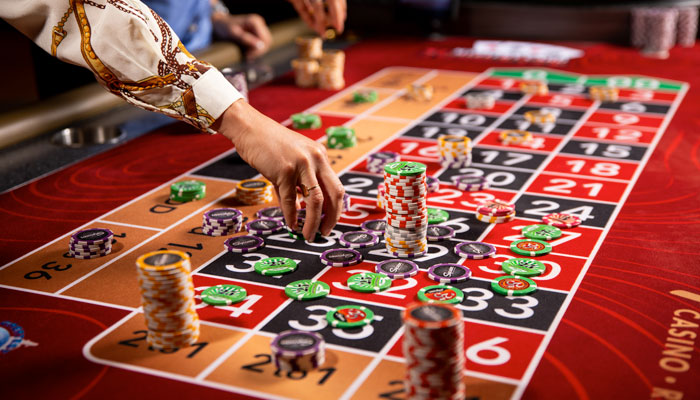
Ultimately, the strategic approach of successful high-stakes gamblers is about more than just knowing the games; it also involves understanding the overall environment in which they are gambling. They diligently observe betting patterns, player behaviors, and even casino atmospheres to refine their strategies further. By integrating research and practical experience, high-stakes gamblers craft a comprehensive approach to maximize their winning potential, often using data analytics and statistical models to inform their bets and enhance their strategic decisions.
Bankroll Management Techniques
Effective bankroll management is one of the cornerstones of successful high-stakes gambling. Experienced gamblers know that managing their financial resources wisely is crucial to sustaining long-term play. This includes setting limits on how much money they are willing to wager in a session and ensuring they do not exceed these limits, regardless of how emotional the gaming experience becomes. By adhering to these financial boundaries, gamblers can avoid significant losses that could jeopardize their gambling endeavors. This discipline is essential in maintaining a balanced approach to gambling, preventing impulsive decisions that could lead to financial ruin.
Moreover, high-stakes gamblers often utilize a tiered betting approach to manage risk. This means they adjust their bet sizes according to their current bankroll status and the game’s dynamics. For example, they might wager a lower percentage of their total bankroll when feeling uncertain about a particular hand or game, whereas they may increase their stake when they are on a winning streak. This adaptive strategy allows them to capitalize on favorable situations while minimizing potential losses during downturns. Keeping emotions in check during these fluctuations is vital for maintaining a sustainable gambling practice.
In addition to adjusting bet sizes, successful gamblers also keep detailed records of their wins and losses. This practice provides valuable insight into their gambling habits and helps them identify profitable patterns or detrimental behaviors. By analyzing this data, they can refine their strategies over time, ensuring that their bankroll management remains effective and contributes to their overall success in the high-stakes gambling arena. This analytical approach fosters continuous improvement and encourages a proactive mindset toward managing their gambling activities.
Building Relationships and Networking
Networking is another vital component of success for high-stakes gamblers. Building relationships within the gambling community can offer numerous advantages, from gaining strategic insights to accessing exclusive games or promotions. Many successful gamblers spend time establishing connections with fellow players, casino staff, and other industry professionals. These relationships can provide crucial information about game trends, betting strategies, and player tendencies that are not readily available through traditional avenues. Such connections can enhance a gambler’s understanding of the competitive landscape, allowing them to navigate it more effectively.

Additionally, high-stakes gamblers often find collaboration beneficial, whether through playing in teams or participating in joint betting strategies. By sharing knowledge and experiences, they can enhance their understanding and execution of game mechanics. Engaging in discussions with other skilled players can also serve as a source of motivation and inspiration, pushing individuals to refine their skills continuously and think outside the box. This collaborative spirit fosters an environment where ideas can flourish, leading to innovative strategies that can give them a competitive edge.
Furthermore, the social aspect of gambling shouldn’t be overlooked. Building rapport with casino staff can lead to perks, such as comps, upgrades, or insider tips about games. High-stakes gamblers who cultivate amicable relationships with dealers and hosts often find themselves enjoying a more favorable and enriched gambling experience. Ultimately, these relationships can enhance not only the chances of winning but also the overall enjoyment of the high-stakes gambling experience, transforming what could be a solitary endeavor into a vibrant community engagement.
Exploring Resources for High-Stakes Gamblers
For those looking to delve deeper into the world of high-stakes gambling, there are various resources available that provide valuable insights and strategies. Numerous websites, forums, and publications offer expert tips on different gambling games, share personal experiences, and discuss the psychology behind successful gambling. Engaging with these resources allows aspiring high-stakes gamblers to expand their knowledge base and learn from others who have navigated the complexities of the gambling landscape. This collective wisdom can serve as a powerful tool for improving one’s craft and decision-making skills.
Moreover, participating in workshops, seminars, and online courses can provide structured learning opportunities. These educational tools often focus on specific games or skills, allowing players to hone their abilities in a concentrated environment. Whether it’s learning the intricacies of poker or mastering the art of sports betting, dedicated study can significantly improve one’s chances of success in high-stakes gambling scenarios. This commitment to continuous education reinforces the idea that proficiency in gambling is not merely about luck but is rooted in skill and knowledge.
In addition to educational resources, many platforms offer tools for tracking games, analyzing performance, and even connecting with other gamblers. This interactivity not only fosters a sense of community but also encourages individuals to share insights and strategies with one another. By taking advantage of these resources, high-stakes gamblers can continually build upon their skills, ensuring they remain competitive in an ever-evolving gaming environment. This interconnectedness contributes to a culture of learning and growth that is essential for anyone serious about excelling in high-stakes gambling.